About
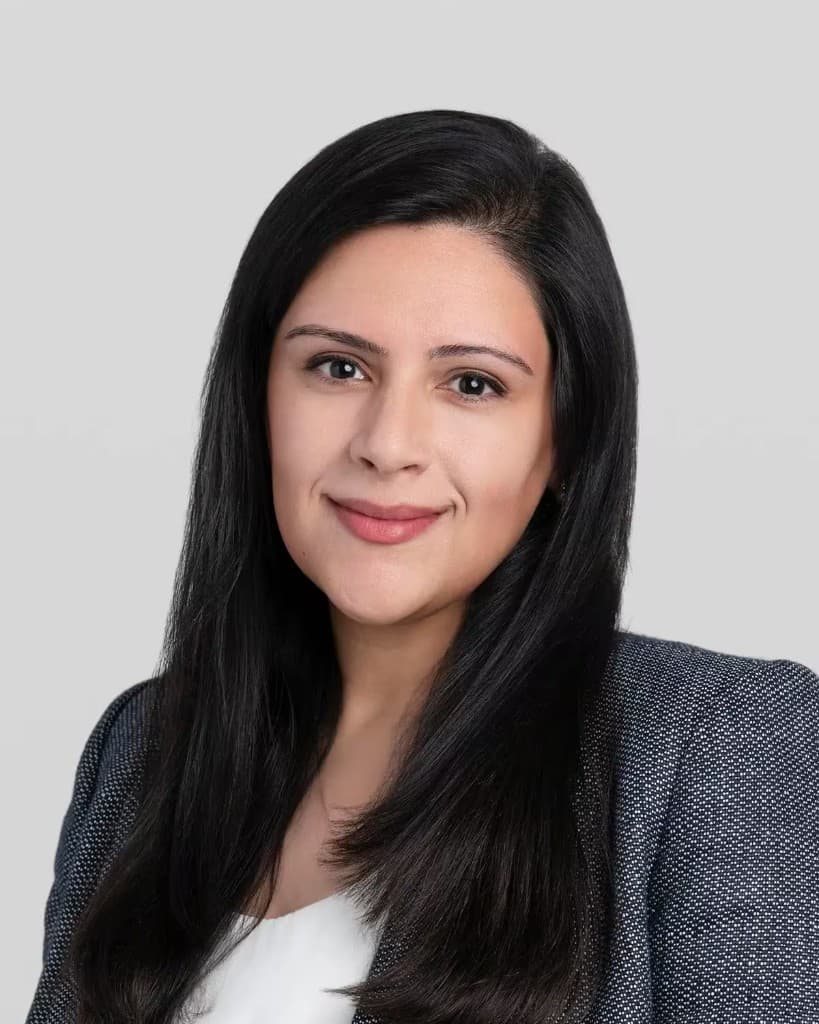
Dr. Sobia Laique
Sobia Laique Khalid
Dr. Sobia Laique (May 21, 1989 – August 5, 2026) was a beloved mother, wife, daughter, sister, khala, and daughter-in-law — and a physician, researcher, and mentor. She passed away on August 5, 2026, while giving birth to the son she had long hoped for — a loss that is felt deeply by her family, colleagues, patients, and everyone who knew her. This site exists so her family — and especially her son, Adam — can know Sobia not only through her work, but through the memories, stories, photos, and voices of the people whose lives she touched.
Who she was to those who loved her
Above all, Sobia wanted to be a mother. That dream was the center of her life. She was a devoted wife and partner, a beloved daughter and sister, a loved khala, and a cherished daughter-in-law — a friend who laughed easily, loved deeply, planned carefully, and brought the same intensity to her family that she brought to her work. She practiced and published as Sobia Laique, MD — the name on LinkedIn, X, her research, and her work at Cleveland Clinic, which she wanted to keep clear. On Instagram and Facebook she used Sobia Laique-Khalid. She intended, in time, to go by Sobia Laique Khalid — no hyphen — so her papers would still match Laique, while Khalid would match Omar and their son, Adam. This site keeps Sobia Laique as her professional name, and Sobia Laique Khalid beside it. There are a thousand ordinary things about the life she built — travel, laughter, hard conversations, small arguments about nothing important — that those who loved her would give anything to experience with her once more.
Her path in medicine
Sobia earned her medical degree from Aga Khan University in Pakistan and completed her internal medicine residency at the Cleveland Clinic. She pursued fellowships in gastroenterology at the Mayo Clinic in Scottsdale, Arizona, and in transplant hepatology at the Cleveland Clinic. She was board-certified in internal medicine, gastroenterology, and transplant hepatology — a path that reflected both her intelligence and her relentless work ethic.
Her impact
At the Cleveland Clinic, Sobia served as a staff gastroenterologist and transplant hepatologist. She co-founded and chaired the MASLD Task Force and directed the Multidisciplinary MASLD Center — bringing together hepatology, endocrinology, primary care, bariatric surgery, and transplant surgery to improve care for patients with metabolic liver disease. Colleagues remember her calling from vacation with new ideas. Trainees remember her as an exceptional mentor. Patients remember her honesty, her willingness to call them personally, and the care she took with complex cases.